Thinking Past Ambiance to How You Actually Heat Your Home
Most comparisons between gas and wood fireplaces focus on ambiance, cost, and convenience, and those are all reasonable things to weigh. But if you are trying to decide between the two, or considering converting an existing wood fireplace to gas, it helps to also think about how each option fits into your home's broader heating strategy: which rooms you are actually trying to keep warm, how the fireplace interacts with your central heating system, and how much control you want over that interaction day to day.
How Each Option Behaves as Part of a Heating System
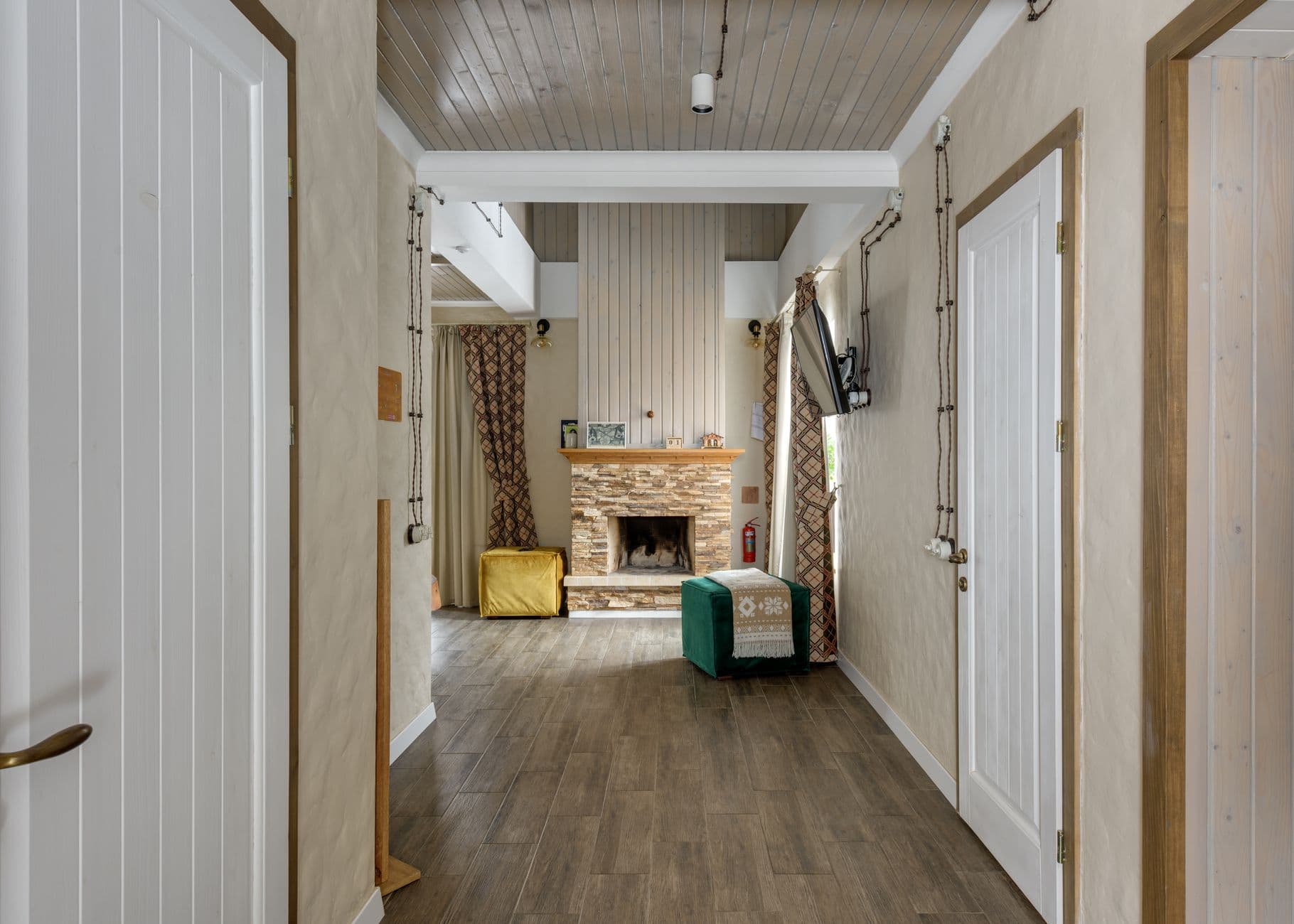
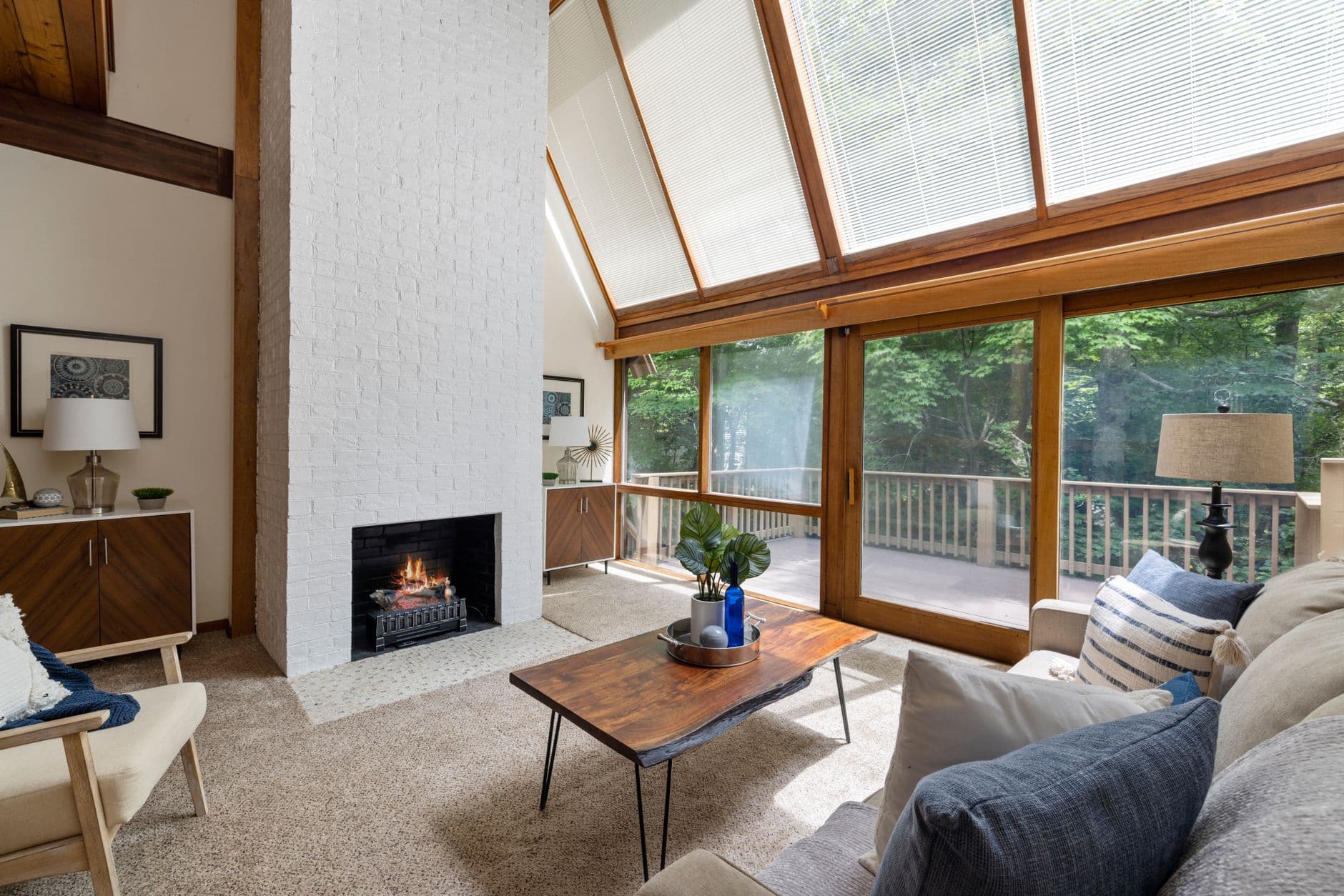
Wood burning fireplaces rely on strong draft to pull smoke up and out, and that same draft pulls heated room air along with it. A traditional open masonry fireplace without an insert can end up removing more heat from a room than it adds, since so much conditioned air gets pulled up the chimney while the fire burns. Adding a fireplace insert changes this considerably, since inserts pull combustion air from outside rather than from the room and route room air around the firebox to be reheated and returned, dramatically improving how much of the fire's heat actually stays in your living space.

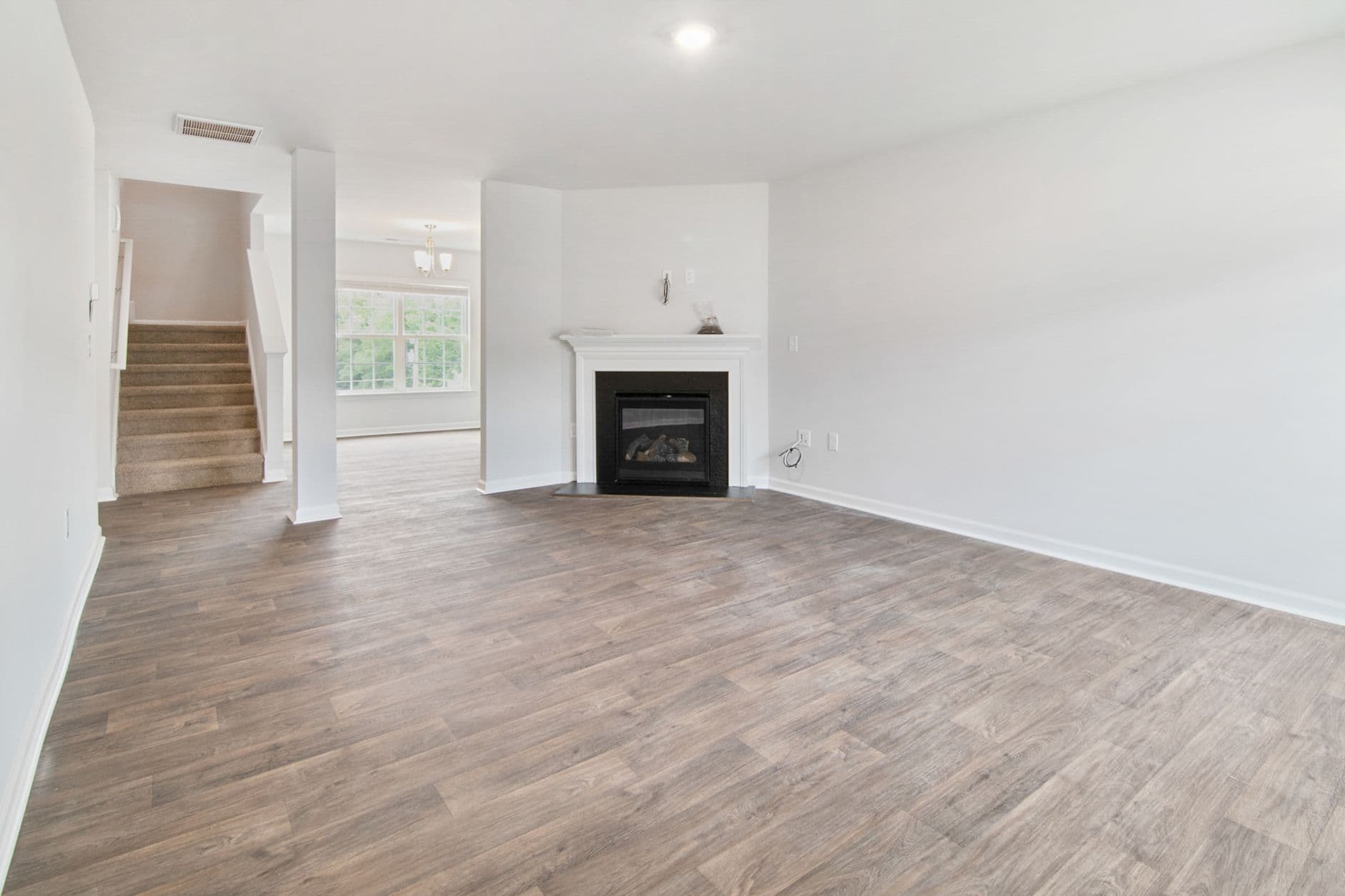
Gas fireplaces, particularly direct vent models, are built around controlled, predictable heat output from the start. Sealed combustion units draw outside air for the fire and vent combustion byproducts outside without pulling room air through the process the way an open wood fireplace does, which makes their heat output more consistent and easier to direct toward comfort rather than losing it to draft.
Zone Heating: Where This Really Matters
If your goal is to heat the room you are actually using and reduce reliance on your central furnace for that space, the fireplace type you choose affects how well that strategy works.
A gas fireplace with a thermostat or remote control lets you treat that room as its own heating zone in a genuinely practical way: turn it on when you are using the room, let it maintain a set temperature, and turn the central system down without worrying about the room going cold. The instant on and off nature of gas makes this kind of daily zone heating realistic in a way that building and maintaining a wood fire is not.
A wood fireplace, especially with a quality insert, can still contribute meaningfully to zone heating, but it requires more active management: tending the fire, adding logs, and timing your central thermostat adjustments around how the fire is actually burning at a given moment rather than a simple on and off switch.
Efficiency in Practical Terms
Open wood fireplaces without inserts are the least efficient option for actual heating, since so much of the fire's heat goes up the flue along with the smoke. A quality insert changes that picture substantially, bringing wood burning efficiency much closer to what a direct vent gas fireplace achieves. Gas units, particularly newer direct vent and vent free models where local codes allow them, tend to offer the most consistent, controllable heat output of any fireplace option, which matters most if you are counting on the fireplace to genuinely offset your central heating rather than serve mainly as ambiance.
How Each Interacts With the Rest of the House
Draft and pressure. A wood burning fireplace, particularly an open one, changes household air pressure while it burns, which can affect how evenly your central system heats other rooms. A sealed combustion gas unit has far less of this effect since it does not draw room air for combustion.
Air quality days. The South Coast Air Quality Management District calls no burn days when regional air quality conditions require it, which restricts wood burning in non compliant fireplaces on those days. Gas fireplaces are not subject to these restrictions, which matters if you want a heating source you can count on using whenever you need it through the season.
Maintenance rhythm. Wood systems need more frequent chimney sweeping and ash removal, along with the seasonal creosote and draft checks already discussed elsewhere. Gas systems still need annual inspection and occasional part replacement, but the maintenance rhythm is lighter and less tied to how often you actually use the fireplace.
Making the Choice for Your Home
- Wood tends to make more sense if:
- You genuinely enjoy the process of building and tending a fire
- You want the fireplace primarily for atmosphere rather than as a heating strategy
- You are willing to keep up with seasonal cleaning, inspection, and firewood sourcing
- Occasional no burn day restrictions are not a significant inconvenience for your household
- Gas tends to make more sense if:
- You want the fireplace to function as a genuine, reliable heating zone
- You want instant, thermostat controlled operation without fire tending
- You want to use the fireplace on any day regardless of air quality restrictions
- You prefer lower ongoing maintenance
Converting an existing wood fireplace to gas is worth considering if you have an underused fireplace that you would use more if it were simpler to operate, or if no burn day restrictions have limited how much value you get from a wood burning system as part of your heating plan.
Getting Expert Input for Your Specific Home
Every home's heating needs are a little different depending on layout, insulation, how many rooms you are trying to keep comfortable, and how the fireplace sits relative to the rest of the house. Our technicians can walk through your specific setup and help you think through whether wood, gas, or a conversion best supports how you actually want to heat your home this season.
Cost Considerations Beyond the Fireplace Itself
Total cost for either option depends heavily on factors specific to your home: whether a gas line already reaches the fireplace location, whether venting needs to be added or modified, how much finish work a conversion or insert installation requires, and local permitting. Ongoing fuel cost comparisons between wood and gas depend on usage patterns, local utility rates, and how easily you can source seasoned firewood, so it is worth thinking about total cost of ownership rather than only the installation price when comparing the two.
Maintenance cost also differs in kind rather than just amount. Wood systems call for more frequent chimney sweeping tied directly to how much you burn, while gas systems call for periodic inspection and eventual part replacement regardless of how often the fireplace runs. Neither pattern is inherently more expensive over time; it depends on how heavily you actually use the fireplace as a heating source.
Frequently Asked Questions
Can I convert my existing wood fireplace to gas without a full remodel? In many cases, yes. Conversion often involves running a gas line to the firebox and installing gas logs or a direct-vent insert, which is typically less invasive than a full fireplace rebuild, though the specifics depend on your existing masonry and venting.
Does a gas fireplace actually heat a room as well as wood? A quality direct-vent gas fireplace can heat a room more consistently than an open wood fireplace, since it is not pulling room air up the chimney the way an uninserted wood fireplace does. An insert narrows that gap considerably on the wood side.
Which option works better during no-burn day restrictions? Gas fireplaces are not affected by South Coast Air Quality Management District no-burn day rules, so they remain usable as a heating zone on days when wood-burning fireplaces are restricted.
Schedule a Consultation
Whether you are maintaining your current wood fireplace, considering a gas conversion, or need service on either system, contact FH Chimney Sweep at (818) 671-0846. We serve Pasadena, Altadena, South Pasadena, San Marino, Alhambra, La Canada Flintridge, Montrose, and the surrounding San Gabriel Valley, and we are glad to help you find the setup that fits how your household actually uses heat.
Need Professional Chimney Service?
Our technicians are ready to help with all your chimney and fireplace needs. Contact FH Chimney Sweep today for expert service throughout the Arcadia and the San Gabriel Valley service area.