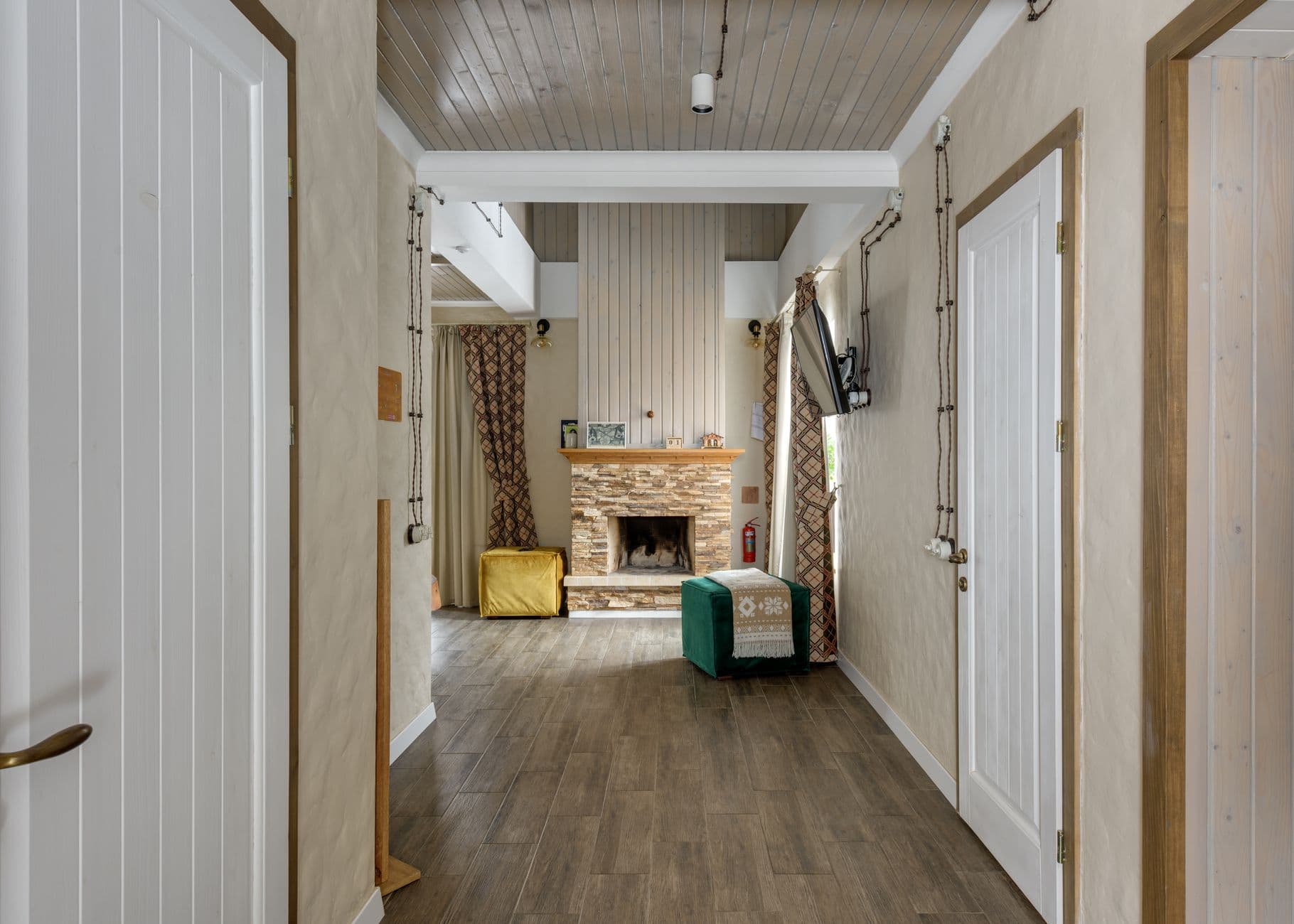
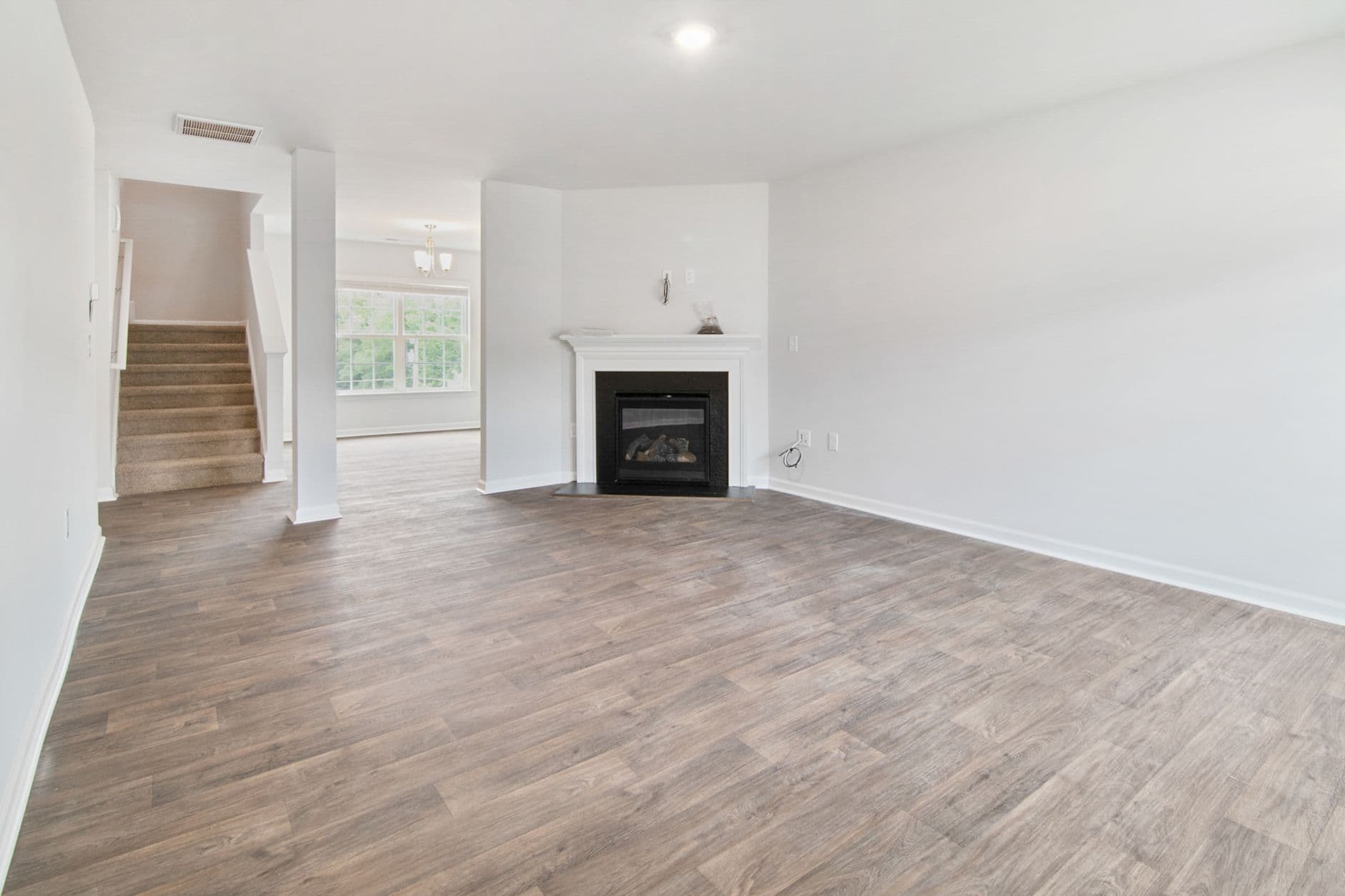
Your Chimney Is Part of Your Home's Air System, Not Just Your Fireplace
It is easy to think of chimney cleaning as maintenance for one appliance: the fireplace. In practice, your chimney is one of the largest air pathways in your entire house, and when it is choked with creosote and debris, the effects show up well beyond the room where the fireplace sits. Homeowners across Pasadena and the San Gabriel Valley often describe problems that sound like a heating or comfort issue: one room that never gets warm, a strange draft near a doorway two rooms away, or a furnace that seems to run constantly. Frequently, the chimney is part of the answer.
How a Blocked Flue Changes Air Pressure Throughout the House
Every home has a certain amount of natural air movement driven by temperature differences and pressure. A chimney, when it is clear and drafting properly, pulls air up and out at a predictable rate. When creosote buildup narrows the flue, or when debris such as leaves or a bird's nest partially blocks it, that airflow becomes erratic.
An erratic chimney draft does not just affect the fireplace. It can change the overall pressure balance in your home, which in turn affects how your heating system distributes air. Rooms far from the fireplace can end up feeling drafty or under heated because the pressure imbalance is pulling conditioned air toward the chimney instead of where your thermostat wants it to go.

Five Signs Worth Paying Attention To
Smoke or haze that lingers in the room. If starting a fire produces a persistent haze rather than smoke that clears quickly up the flue, restricted airflow is the likely cause. Creosote narrows the passage, bird nests and leaves create outright blockages, and a warped or rusted damper limits how much the opening can actually flow.
Odors that show up even when the fireplace is not in use. A chimney that smells like tar, dampness, or something organic when no fire has been lit recently often has a moisture or creosote problem, or an animal has taken up residence. These odors tend to intensify on warm, humid days, which happens often enough during Pasadena summers.
Visible black deposits inside the firebox. Creosote builds in stages, from a light, flaky soot that is easy to remove, to a hard, glazed coating that is difficult to clean and considerably more flammable. A quick flashlight check of the firebox interior tells you a lot about which stage you are dealing with.
Fires that struggle to establish or stay lit. When the flue is not moving air properly, fires can seem starved for oxygen even with good kindling and dry wood. This is a draft problem more often than a fire building problem, and no amount of technique fully compensates for it.
White staining on the exterior masonry. Efflorescence, the chalky white staining that appears on brick or stone after rain, signals that moisture has gotten into the masonry. While the stain itself is cosmetic, it usually means water is finding a way in through a damaged cap, cracked crown, or failing mortar joints, all of which accelerate other chimney problems over time.
Why This Matters More Than Just Fireplace Performance
A chimney that drafts poorly does not stay contained to fireplace season. If your home has any other chimney vented appliance, such as a gas water heater or a furnace with a masonry flue, the same restricted airflow that affects your fireplace can affect how safely and efficiently those systems vent as well. Poor draft anywhere in a shared chimney system can send combustion byproducts back into living space instead of outside, which is a comfort and safety issue at the same time.
Beyond the venting itself, a chimney that is regularly drawing conditioned air out of your home during colder months, whether through an open damper, gaps around the chimney chase, or a poorly sealed cap, works against whatever your heating system is trying to accomplish. You end up paying to heat air that leaves through the chimney rather than staying in your living space.
What Professional Cleaning Actually Fixes
When you schedule a cleaning with FH Chimney Sweep, our technicians start with an assessment of the exterior and interior condition before touching a brush. We protect your home with drop cloths, then clear creosote and debris from the full length of the flue using brushes sized to your specific chimney. After cleaning, we do a visual check for damage that the buildup may have been hiding, and we provide a written summary of what we found.
For homes dealing with draft problems, cleaning alone sometimes resolves the issue entirely by restoring the flue to its full working diameter. In other cases, cleaning reveals that the underlying problem is a damaged damper, a missing cap, or a liner issue that needs separate attention, information you would not have without getting the chimney properly cleaned and inspected first.
Building Cleaning Into Your Seasonal Routine
The Chimney Safety Institute of America recommends annual inspection at minimum, with cleaning performed whenever creosote reaches roughly an eighth of an inch in thickness. For most households that use their fireplace through the cooler months, that works out to cleaning once a year, ideally before the season when you will actually be relying on it.
Treating this as part of your broader seasonal home preparation, alongside things like checking your heating system's filters or having your furnace serviced, keeps your whole comfort system working together rather than dealing with each piece only once it fails.
The Furnace and Fireplace Connection in Older Homes
Many homes throughout Pasadena and the surrounding foothill communities were built decades before today's tighter construction standards, and their ductwork and air pathways often interact more than the original layout drawings suggest. If a central furnace's return air vent sits anywhere near the fireplace, a poorly drafting chimney can quietly disrupt how that return draws air, sometimes causing the furnace to cycle in short bursts rather than settling into a steady, efficient run. A technician who understands both sides of that relationship can trace a complaint about a furnace that "runs strangely in winter" back to something as simple as a chimney that has not been cleaned in a while.
A Typical Cleaning Visit, Step by Step
Initial assessment. The technician walks the exterior and interior of the chimney system, noting the cap, crown, and visible masonry condition before any work begins.
Protection. Drop cloths and floor coverings go down around the hearth, and equipment with HEPA filtration is set up to keep dust contained inside your home.
Cleaning. Brushes sized specifically to your flue clear creosote and debris from top to bottom, restoring the flue to its intended working diameter.
Post-clean inspection. With the buildup removed, the technician can see the flue surface clearly and check for cracks, gaps, or other damage that the creosote may have been hiding underneath it.
Report. You receive a written summary of what was found and any recommendations, so you know exactly where things stand heading into the season ahead.
Frequently Asked Questions
How often should a chimney actually be cleaned? That depends on how often you use it and what you burn, but an annual inspection catches most households before buildup becomes a real problem, with cleaning scheduled whenever the inspection indicates it.
Can a dirty chimney really affect rooms nowhere near the fireplace? Yes, particularly in homes with tighter construction or open floor plans, since the pressure changes created by a struggling flue ripple through connected air spaces rather than staying isolated to one room.
Is it worth combining a cleaning with a broader home comfort check? Often yes. Since a chimney is one of several large air pathways in a home, along with attic vents, ductwork, and window and door seals, looking at it alongside those areas gives a clearer picture of where comfort problems are actually coming from.
Schedule Your Chimney Cleaning
If you have noticed any of these signs, or if it has simply been a while since your last cleaning, contact FH Chimney Sweep at (818) 671-0846. Our technicians serve Pasadena, Altadena, South Pasadena, San Marino, Alhambra, La Canada Flintridge, and Montrose, and we are happy to look at how your chimney fits into the comfort of your whole home, not just the room where the fireplace sits.
Need Professional Chimney Service?
Our technicians are ready to help with all your chimney and fireplace needs. Contact FH Chimney Sweep today for expert service throughout the Arcadia and the San Gabriel Valley service area.